In December 1911, five Norwegians stood at the geographic South Pole. Hundreds of kilometres of icy plateau lay behind them, and a long journey back to the coast lay ahead. They had reached a goal that explorers had considered one of the most difficult on Earth for decades. Their leader was Roald Amundsen, and his team became the first whose successful arrival at the South Pole is firmly supported by historical evidence.
A little over a month later, the British party led by Robert Falcon Scott reached the same point. They found traces of their predecessors and a Norwegian flag. The return journey became a catastrophe: Scott and his four companions died in Antarctica.
This story is often reduced to a simple formula: Amundsen planned everything correctly, while Scott made mistakes. The reality is more complex. Both were experienced explorers, both expeditions had scientific and geographical objectives, and the outcome depended on a chain of decisions - from route selection and means of travel to depots, food, clothing, and the distribution of effort.

━━━━━━━━━━━━━━━━━━━━━━━━━━━━━━━━━━━━━━━━
The South Pole: A Goal That Led Explorers into the Unknown
At the beginning of the twentieth century, large parts of Antarctica remained blank spaces on maps. Explorers wanted not only to establish the exact location of the geographic Pole, but also to map unknown territory and investigate geology, meteorology, magnetism, and life in extreme conditions. Polar expeditions were scientific projects, tests of technology, and expressions of international prestige all at once.
Before Amundsen and Scott, Ernest Shackleton had tried to get close to the Pole. During the Nimrod expedition of 1908-1909, his party reached 88°23′ south - farther than anyone had travelled before - but turned back because continuing would have put their lives at risk. Shackleton made the decision with the Pole about 180 kilometres away. It saved his party and demonstrated just how crucial supplies and a sufficient margin of strength for the return journey were.
So Amundsen and Scott were not starting from scratch. They inherited the experience of earlier explorers, but had to answer the central question for themselves: how could they reach the Pole and return alive?
━━━━━━━━━━━━━━━━━━━━━━━━━━━━━━━━━━━━━━━━
Robert Falcon Scott: Naval Officer and Polar Explorer
Robert Falcon Scott was born in England in 1868 and chose a career in the Royal Navy. Naval service gave him experience in discipline, navigation, leadership, and working within a structured command system. Polar exploration, however, demanded skills that could not be fully learned at sea: travelling over moving ice, calculating food for months, organising sledging journeys, and operating in places where help could not arrive quickly.
Scott led his first Antarctic expedition from 1901 to 1904. Its ship, Discovery, served as a base for research along the coast and into the continent’s interior. Scott, physician and zoologist Edward Wilson, and officer Ernest Shackleton travelled south together and set a new record for southern latitude. The journey was exhausting. The party struggled with physical strain, food, and the difficulties of hauling sledges. Shackleton was eventually sent home before the others, partly because of concerns about his health.
The Discovery expedition gave Scott substantial knowledge of Antarctica, but it also left him with difficult lessons. He understood the scale of the danger, knew how much supplies mattered, and had experienced how hard it was for people to haul loads over snow. Yet he did not fully adopt the Norwegian model built around dogs and skis. For his next expedition, he chose a mixed system, hoping that motor sledges, ponies, and human teams could complement one another.
The Terra Nova expedition, which departed in 1910, had a broader programme than the race itself. Its members collected scientific data, studied geology and meteorology, and observed wildlife and landscapes. Scott wanted to reach the Pole first, but he was also leading a major scientific expedition that required complex logistics and the allocation of people to different tasks.
Scott should not be portrayed as an inexperienced amateur. He was a seasoned naval officer who had already been to Antarctica. But previous experience did not guarantee that his chosen methods would prove most effective on the journey to the Pole and back. The British Library’s account of Scott’s diaries includes his record from the Pole and descriptions of the expedition’s final weeks.
━━━━━━━━━━━━━━━━━━━━━━━━━━━━━━━━━━━━━━━━
Roald Amundsen: Experience Gained in the Arctic
Roald Amundsen was born in Norway in 1872. His polar career began with the Belgian Antarctic Expedition aboard Belgica from 1897 to 1899. The ship became trapped in ice and spent a winter in Antarctica. The crew endured a long polar night, a lack of sunlight, and serious psychological strain. For the young Amundsen, it became a practical education in how people and equipment behaved when cut off from the familiar world.
His next major achievement came aboard the small vessel Gjøa. From 1903 to 1906, Amundsen and his crew completed the first successful passage through the Northwest Passage, the sea route between the Atlantic and Pacific oceans through Arctic waters north of North America. During a winter on King William Island, Amundsen studied local knowledge of survival in the cold, including clothing, skis, dogs, and sledges. He learned that equipment tested by people who had lived in the Arctic for generations could be far more practical than gear designed around European assumptions about polar conditions.
Amundsen paid close attention to details. He tested skis, bindings, boots, goggles, cooking equipment, and harnesses. He planned supplies and depots, weighed loads, and tried to eliminate unnecessary weight without sacrificing reliability. His approach was not simply to carry fewer things; it was to find equipment that worked efficiently without creating extra problems for the team.
Amundsen originally planned a new Arctic expedition, aiming to drift across the Arctic Ocean. After claims that the North Pole had been reached by other explorers emerged in 1909, he changed course and decided to attempt the South Pole. He kept the change secret until the ship was at sea and informed the crew of the new destination in Madeira in September 1910. The decision caused tension in the international polar community, but the Norwegians ultimately supported the plan.
Amundsen’s experience did not make his expedition flawless. A first attempt to leave the base in September 1911 had to be abandoned because of severe cold; several men suffered frostbite, and a dispute over leadership decisions developed between Amundsen and the experienced Jørgen Johansen. Amundsen learned from the setback, revised the plan, and waited for better conditions before the main journey. His strength was not an absence of mistakes, but his willingness to build the expedition around tested methods and adjust when reality failed to match the plan.
━━━━━━━━━━━━━━━━━━━━━━━━━━━━━━━━━━━━━━━━
Fram: A Ship Designed to Withstand the Ice

Fram means “forward” in Norwegian - an apt name for a ship designed for an extraordinary challenge: not to force its way through polar ice, but to withstand the pressure of it.
The idea came from explorer Fridtjof Nansen, while naval architect Colin Archer designed and built the vessel. Fram was launched in 1892. Its rounded hull was designed so that when surrounding ice pressed in from the sides, the ship would be lifted upward rather than crushed. The vessel was strongly built, insulated for long stays in extreme cold, and designed with the needs of polar travel in mind. It was not a conventional ship adapted at the last minute for an expedition; its design addressed the realities of ice from the beginning.
The ship served on three major polar expeditions. Nansen used it during his Arctic drift of 1893-1896. Otto Sverdrup commanded it on an expedition to the islands west of Greenland from 1898 to 1902, charting extensive areas of the Canadian Arctic Archipelago. Amundsen then used Fram for his Antarctic expedition. Before that voyage, the ship was modified, including the installation of a diesel engine - an important change for a vessel originally designed in the age of sail.
For Amundsen’s expedition, Fram was a means of getting the team and supplies to Antarctica, but also an example of purpose-built design. Its story illustrates a principle that applies to any demanding journey: equipment works best when its design is shaped by the conditions it must face. After its polar career, Fram was preserved and is now displayed at the Fram Museum in Oslo.
FRAM Equipment: A Principle That Lives On in Modern Gear
The story of the historical Fram offers a natural way to think about preparation for challenging journeys today. The ship was not designed merely to look impressive; its shape and construction served a clear purpose - to withstand the pressure of ice and give its crew a chance to work in extreme conditions.
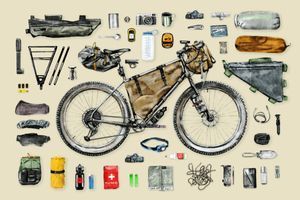
The same principle matters in modern outdoor travel. A backpack, clothing, and equipment should match the route, conditions, and needs of the person using them. That is where our friends at FRAM Equipment, a Ukrainian maker of outdoor backpacks, clothing, and gear, come into the story. Their work shares the spirit of thoughtful preparation and functional design: equipment should help people travel more confidently, not burden them with what they do not need.
The historical ship and the modern brand are separate projects, but the connection is an idea rather than a claim of direct heritage. Amundsen’s expedition depended on preparation, reliable equipment, and the careful balance between weight and usefulness. Modern outdoor gear follows the same broad logic: every item should earn its place in the pack.
━━━━━━━━━━━━━━━━━━━━━━━━━━━━━━━━━━━━━━━━
Two Strategies: Dogs, Skis, Ponies, and Motor Sledges
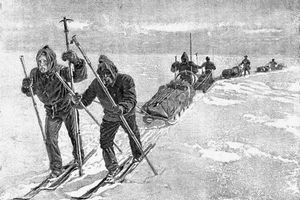
Both expeditions had to move enormous distances across a place where a single miscalculation could become fatal. Their transport systems, however, were different. Amundsen relied on dogs and skis, drawing on his Arctic experience. His team practised handling sledges, adapted its equipment, and placed food depots along the route in advance.
Scott used a mixed system. He brought motor sledges, ponies, and dogs, but when machinery and animals ran into problems, much of the burden ultimately fell on the men themselves. Ponies were less suited than dogs to prolonged travel through deep snow and severe cold. Motor sledges offered a potential advantage, but their reliability in such conditions was limited. Hauling loads by human power was flexible, yet it demanded enormous energy and exhausted the team before the journey was over.
The choice of base location also mattered. Amundsen established Framheim in the Bay of Whales, giving him a shorter starting distance to the Pole than Scott’s base on Ross Island. But Amundsen’s route required crossing an uncharted glacial ascent via the Axel Heiberg Glacier. The Norwegians had no guarantee that the route would be passable, but their plan was closely tied to a depot system and the use of dogs.

Preparation did not mean that everything went perfectly. Amundsen’s first departure had to be abandoned in severe cold, while Scott’s team also showed extraordinary endurance and collected important scientific data. The difference lay in how closely each transport system, pace, and supply plan matched the specific conditions of the journey to the Pole and back.
━━━━━━━━━━━━━━━━━━━━━━━━━━━━━━━━━━━━━━━━
The Race Begins
Fram left Norway in August 1910. After a stop in Madeira, Amundsen told the crew that the destination would be the South Pole rather than the North Pole. The ship reached the Bay of Whales in January 1911. The Norwegians built their base, Framheim, moved supplies ashore, and began laying depots to the south.
The depots were crucial: the travellers did not have to haul every supply for the entire journey on their sledges. They could leave food and fuel at predetermined points and collect them on the return. The depots were marked with flags and other indicators, because in an immense snowy landscape even a small navigational error could cause a party to miss a supply point.
Scott and the Terra Nova expedition arrived in Antarctica around the same period. The British base was established near Cape Evans on Ross Island. The expedition had a complex organisation: some members focused on scientific research, while others helped establish depots and prepare for the main journey. The team had to wait for conditions that would allow it to travel south without wasting too much strength before the decisive stage.
Amundsen began the final journey on 20 October 1911. He was accompanied by Oscar Wisting, Helmer Hanssen, Sverre Hassel, and Olav Bjaaland. Four sledges were initially pulled by 52 dogs. The team crossed the Ross Ice Shelf and then climbed to the polar plateau via the Axel Heiberg Glacier. As the elevation increased, cold and physical strain remained severe, but the route, pace, and carefully placed depots helped the team manage its supplies.
━━━━━━━━━━━━━━━━━━━━━━━━━━━━━━━━━━━━━━━━
14 December 1911: Amundsen Reaches the Pole
The Norwegian party reached the geographic South Pole on 14 December 1911. Unlike a mountain summit, the Pole has no obvious natural marker: it is a geographic point that must be established through measurements. The team therefore did more than plant a flag. It took observations and moved around the calculated point to increase confidence in its position.
The Norwegians left a tent called Polheim and a letter to the King of Norway. Amundsen also left a letter for Scott, asking him to pass on the message if the Norwegians failed to return. It was a practical gesture: even after reaching the goal, the leader could not be certain that his party would make it safely back.

The return journey required precision too. Amundsen and his companions set off back on 18 December and reached Framheim on 26 January 1912, completing a round trip of roughly 3,000 kilometres. They returned exhausted but alive. Their success was not the result of one brilliant decision, but of a system: prior experience, equipment selection, dogs, depots, pace, and discipline.
━━━━━━━━━━━━━━━━━━━━━━━━━━━━━━━━━━━━━━━━
Scott at the Pole: A Month Too Late
The British party reached the South Pole on 17 January 1912. Scott was accompanied by Edward Wilson, Henry Bowers, Lawrence Oates, and Edgar Evans. They found Amundsen’s tent and the Norwegian flag. The goal for which they had travelled thousands of kilometres had already been reached by someone else.
Photographs from the Pole and Scott’s diary preserve the moment without the need to invent its emotional details. In his entry of 17 January, Scott wrote that circumstances had turned out very differently from what they had hoped. Disappointment came on top of bad weather, cold, and fatigue. But the most important task now was to return to base.

The return became a tragedy. Edgar Evans died in February after a fall and a serious physical decline. Lawrence Oates, suffering from severe frostbite in one leg, walked out of the tent during a blizzard in an attempt not to delay the others. Scott, Wilson, and Bowers continued, but grew weaker. During a prolonged spell of bad weather, they became trapped in their tent about 18 kilometres from a depot known as One Ton Depot. They died there.
The disaster cannot be explained by a single factor. The team was affected by exhaustion, extreme cold, transport problems, health, difficult navigation, and adverse weather. Historians also debate whether the supplies were sufficient, whether the pace was calculated correctly, how effectively the logistics worked, and how the choice of transport affected the chances of returning. Diaries and expedition records help reconstruct events, but they do not reduce a complex tragedy to one simple cause.
━━━━━━━━━━━━━━━━━━━━━━━━━━━━━━━━━━━━━━━━
Who Won - and What the Race Left Behind
Amundsen entered history as the leader of the first confirmed expedition to reach the geographic South Pole. His success showed how important local knowledge, careful preparation, adapted equipment, and supply planning are in polar travel. Yet his story was not a tale of perfection: it included secrecy, conflict, failed attempts, and decisions that could have had serious consequences.
Scott did not reach the goal first and died on the return journey, but his expedition left a significant scientific legacy. Its members collected specimens, made observations, and kept detailed records. These materials later became important to the study of Antarctica. Scott is remembered not only as a competitor in the race, but also as the leader of a major research project whose team worked under extraordinary risk.
Today, the two stories are best read together. Amundsen demonstrates the value of preparation, flexibility, and building a route around specific conditions. Scott reminds us that experience, courage, and a strong team cannot remove every risk when logistics, weather, and the physical limits of people turn against them. Polar exploration required not only bravery, but also an ability to recognise the limits of human endurance.
━━━━━━━━━━━━━━━━━━━━━━━━━━━━━━━━━━━━━━━━
Things That Remind Us of Great Adventures
Great expeditions leave behind more than maps and written records. They remind us that every journey begins with curiosity, a plan, and the things that help us feel more confident on the way. Sometimes those are technical pieces of equipment; sometimes they are favourite items that bring back memories of past adventures or inspire the next one.
Travel Jewelry offers hoodies for cool days and journeys. A print can evoke the stories of great explorers or become part of a personal story that is still waiting to happen. Explore the collection on our website: Travel Jewelry hoodies.
This article draws on historical material from the Fram Museum, the British Library, and open archival photographs. Dates and facts are presented according to available historical sources; some causes of the Scott expedition’s tragedy remain the subject of historical debate.
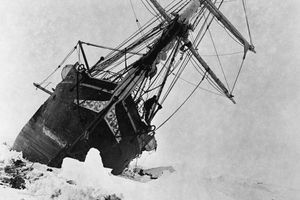
Ernest Shackleton and Endurance: The Expedition That Became a Fight for Survival
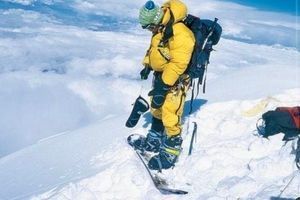
The History of Mountaineering: From the First Ascents to Speed Records
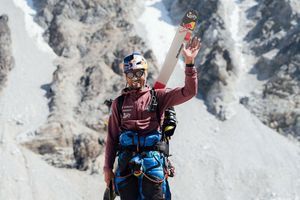
Ski Travel: The History of Ski Touring, Ski Expeditions and Winter Journeys
Gift Ideas for a Skier: Practical and Meaningful Presents for Winter Enthusiasts