When the ship Endurance set out for Antarctica, its crew was preparing for one of the most ambitious polar journeys of its time: crossing the frozen continent from the Weddell Sea to the Ross Sea via the South Pole. But the expedition never reached the coast where the overland journey was supposed to begin. The ship became trapped in the ice and was eventually lost.
For Ernest Shackleton, this meant abandoning the original plan and focusing on a different task: bringing home every person stranded at the edge of the world. The months that followed became a story of drifting ice camps, a small-boat voyage across a stormy ocean, and a crossing of mountains where no route had yet been established. The expedition failed to achieve its geographical objective, but became one of the best-known survival stories in the history of polar exploration.

━━━━━━━━━━━━━━━━━━━━━━━━━━━━━━━━
The Heroic Age of Antarctic Exploration
The Endurance expedition was part of the period known as the Heroic Age of Antarctic Exploration. The term generally refers to the late nineteenth century and the first decades of the twentieth, when explorers ventured onto the continent with far more limited communications, navigation and transport technology than modern expeditions have.
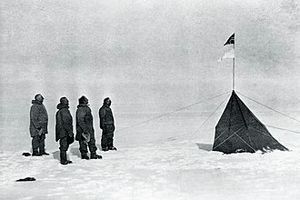
At the time, geographical discovery, scientific research and the race to reach the South Pole were closely linked. Roald Amundsen reached the Pole in December 1911, and Robert Falcon Scott arrived there soon afterwards. Shackleton, who had previously taken part in Scott's expedition, chose a different goal: crossing the entire continent. His third major Antarctic expedition was intended to prove that a transcontinental crossing was possible, but the ice changed every plan.
━━━━━━━━━━━━━━━━━━━━━━━━━━━━━━━━
Shackleton's plan: crossing the continent
Ernest Shackleton already had considerable polar experience. During the Discovery expedition in the early 1900s, he travelled towards the South Pole with Scott and Edward Wilson. In 1907-1909, he led his own expedition aboard Nimrod, which came closer to the Pole than any previous party but turned back before reaching it.
After Amundsen reached the Pole, Shackleton decided that the next great challenge would be a trans-Antarctic crossing. The plan called for a landing on the coast of the Weddell Sea, a journey across the South Pole, and a continuation towards the Ross Sea. Two parties were organised: the Endurance crew would begin from the Weddell Sea side, while a support party aboard Aurora would lay supply depots on the other side of the continent. Shackleton later described the expedition in his own account, South: The Story of Shackleton's Last Expedition.
The plan was extremely demanding even under favourable conditions. The team would have to cross thousands of kilometres of ice, manage food and equipment for a long journey, and rely on both parties carrying out their tasks. But the main party never reached its intended landing point.
━━━━━━━━━━━━━━━━━━━━━━━━━━━━━━━━
Endurance becomes trapped in the ice
The ship left South Georgia in December 1914 and entered the Weddell Sea. In January 1915, pack ice closed around the vessel. At first, the crew hoped that changing ice conditions would allow them to continue. Instead, the ship drifted with the ice field for months.
Life aboard gradually became a winter camp. The men maintained routines, worked, cared for the dogs and equipment, and carried out observations. But the pressure of the ice grew stronger. The ship had been built for difficult conditions, yet its hull could not withstand the crushing force of enormous masses of ice indefinitely.
In October 1915, Shackleton ordered the crew to abandon ship. On 21 November, Endurance finally disappeared beneath the water. The crew had lost its main means of transport, much of its supplies and any chance of carrying out the original plan. From that point on, the priority was to reach land and find a way back to civilisation.
━━━━━━━━━━━━━━━━━━━━━━━━━━━━━━━━
Drifting on the ice and reaching Elephant Island
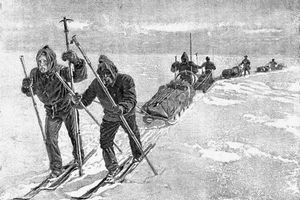
After losing the ship, the crew tried to travel over the ice on foot, hauling boats and equipment. Progress proved too slow and exhausting, so Shackleton ordered the men to establish a camp and wait for the drift to bring them closer to open water.
In April 1916, the ice floe began to break apart and the men launched three lifeboats. For several days they navigated cold water and fragments of ice before reaching Elephant Island on 15 April. It was solid ground after many months on the ice, but the island was uninhabited and far from regular shipping routes. Waiting for a passing vessel was too risky.
Shackleton decided that someone had to reach the whaling stations on South Georgia and organise a rescue. The strongest of the available boats, James Caird, was chosen for the journey. The main group remained on Elephant Island under Frank Wild, while Shackleton set out with five companions.
━━━━━━━━━━━━━━━━━━━━━━━━━━━━━━━━
James Caird: a small boat in a vast ocean
James Caird was an open boat about 6.9 metres long. For a voyage through one of the world's most dangerous ocean regions, it was frighteningly small. Shackleton chose it not because it was comfortable, but because it was the heaviest and strongest of the boats available.
Ship's carpenter Harry McNish prepared the boat for the passage. He raised its sides and built an improvised deck from timber and canvas to reduce the amount of water coming aboard and improve its chances of surviving the waves. It remained a compromise: the crew gained some protection from spray, but not from the cold, damp or stormy sea. The South Georgia Museum's account of the James Caird describes the boat and its remarkable voyage.
On 24 April 1916, six men set out: Shackleton, captain and navigator Frank Worsley, Tom Crean, Harry McNish, Timothy McCarthy and John Vincent. Space for people, food and equipment was limited. Stones were used as ballast to help the boat sit properly in the water. Rest was difficult in the cramped space, often on top of hard cargo, and clothing rarely had a chance to dry.
Worsley was crucial to keeping the boat on course. Today, a navigator can check a position with satellite systems, forecasts and electronic charts. In 1916, the crew relied on sea charts, a compass, a chronometer and observations of celestial bodies. Clouds often obscured the sky, making brief clear intervals vital for determining their position.
Navigation required more than reading instruments. Worsley had to account for wind, currents and drift. An error in course could mean missing the island and ending up far from any help. Worsley later described how difficult it was to take accurate observations from a deck that was constantly moving.
The weather was relentless. Waves washed over the boat, water and snow froze on the rigging, and the men had to keep bailing and maintaining progress. Food was limited, sleep came in fragments, and clothing remained almost perpetually wet. Yet South Georgia was their only realistic chance of finding help for the men on Elephant Island.
After 17 days at sea, on 10 May 1916, James Caird reached South Georgia. The boat and its crew had survived the passage, but the task was not finished: the whaling stations lay on the other side of the island.
━━━━━━━━━━━━━━━━━━━━━━━━━━━━━━━━
Across the mountains of South Georgia
Shackleton, Worsley and Crean landed near King Haakon Bay, while the Stromness station lay on the opposite side of the island. They could have tried to travel around the coast by boat, but that would have meant another dangerous voyage and further delays. Instead, the three men decided to cross South Georgia's mountainous interior on foot.
The route was not marked on their maps as an established crossing. Ahead lay glaciers, steep slopes, snow and difficult terrain. They had no full mountaineering kit, and both time and energy were limited. They used what they had, including rope and improvised means of descent. They continued through the night because stopping in exposed terrain could be dangerous.
After roughly 36 hours of travel, Shackleton, Worsley and Crean reached Stromness. Accounts say they looked so exhausted that people at the station did not immediately recognise them as polar explorers. Shackleton could finally begin organising help for those waiting on Elephant Island.
━━━━━━━━━━━━━━━━━━━━━━━━━━━━━━━━
The return to rescue the crew
The rescue did not happen immediately. Shackleton made several attempts to reach Elephant Island, but sea ice blocked the way. The men left under Frank Wild's leadership waited for months, maintaining order and trusting that their leader would return.
On 30 August 1916, Shackleton finally arrived aboard the Chilean vessel Yelcho. The entire Endurance group on Elephant Island was rescued. This did not mean that the wider expedition had been without losses: the support party aboard Aurora experienced its own ordeal, and three of its members died. The rescue of the main Endurance party should therefore not be confused with the fate of everyone involved in the trans-Antarctic plan.
What made this story extraordinary? It was not that the expedition achieved its original goal - it did not. Its significance lies in Shackleton's decision to change the mission after losing the ship and in the series of dangerous actions that ultimately brought every member of the main Endurance party to safety.
━━━━━━━━━━━━━━━━━━━━━━━━━━━━━━━━
What happened to Shackleton and his companions afterwards?
After returning home, Shackleton did not abandon polar exploration. In 1921, he headed south again aboard Quest. On 5 January 1922, while the ship was at South Georgia, he died of a heart attack at the age of 47. At his wife's request, he was buried on the island associated with one of the decisive episodes of the Endurance story. The Natural History Museum recounts the final expedition aboard Quest in its article on Shackleton's last voyage.
Frank Worsley: the navigator who found the way
After the expedition, Worsley served in the Royal Naval Reserve during the First World War. His navigational skill and ability to make decisions at sea remained central to the story of the James Caird voyage. He worked with Shackleton again during the expedition aboard Quest.
Frank Hurley: the photographer who preserved the expedition's memory
Hurley documented events with his camera even as conditions became dangerous. Some glass-plate negatives had to be abandoned or destroyed so that only the most valuable images could be saved, rather than risking lives to preserve the entire archive. His photographs allow us to see the ship in the ice, camps on drifting floes and the crew's daily life.
Frank Wild: the leader who stayed with the waiting crew
Wild remained with the men on Elephant Island and maintained discipline while they waited for rescue. His role reminds us that survival was not only the achievement of those who sailed in James Caird; it also depended on the endurance of the people waiting at the other end of the story.
━━━━━━━━━━━━━━━━━━━━━━━━━━━━━━━━
Endurance today: the ship found after a century
In March 2022, the Endurance22 expedition found the wreck at a depth of approximately 3,008 metres in the Weddell Sea. The ship was remarkably well preserved. Its name and distinctive emblem on the stern remained visible after more than a century underwater. The discovery was announced by the Endurance22 expedition team.
The find brought the ship's story back into the news, but it did not change its central meaning. Endurance remained on the seabed, while photographs, records and eyewitness accounts preserved what happened. Modern technology helped locate the vessel, but the story itself was shaped by people forced to make decisions without knowing whether the next step would be the right one.

━━━━━━━━━━━━━━━━━━━━━━━━━━━━━━━━
Adventures that stay with us
Shackleton's story is not only about cold, ships and remote islands. It is about the way journeys stay in our memory and become part of our personal history. Sometimes that memory is a photograph, sometimes a book, and sometimes an item that reminds us of a place we have visited or an adventure we are still preparing for.
Warmth for the next adventure
Travel Jewelry hoodies are made for people who feel at home with mountains, journeys and stories of exploration. They help keep you warm in winter, while a print can recall adventures already experienced or inspire routes still ahead. Let the stories of great expeditions live not only in books, but also in the things that accompany us on our own journeys.
Explore Travel Jewelry hoodies
The Endurance expedition did not cross Antarctica, but it became a story of changing goals, endurance and responsibility for others. Shackleton could not bring back his ship or complete the route he had planned. What he could do was keep searching for a way home - and, in the end, he did so with his crew.
Sea to Summit: How Tim Macartney-Snape Walked from the Sea to the Summit of Everest
The History of Mountaineering: From the First Ascents to Speed Records
Ski Travel: The History of Ski Touring, Ski Expeditions and Winter Journeys
The History of Skis: Evolution, Types, Technology and Skiing in Sport
Gift Ideas for a Skier: Practical and Meaningful Presents for Winter Enthusiasts